
Garnet – The January Birthstone of Passion & Power
Discover the beauty and meaning of garnet, a striking red gemstone known for its symbolism of love, strength, and protection.
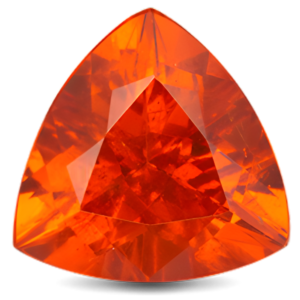
People born in the month of January are fortunate to have the beautiful and historically significant garnet birthstone associated with their birth month. Among all gemstones recognized as birthstones, garnet is admired for its deep colors, fascinating history, and wide variety of mineral types. Although many people immediately think of garnet as a deep red gemstone, this mineral family actually displays an impressive spectrum of colors.
Garnets can appear in shades of orange, yellow, purple, pink, brown, and vibrant green, and some rare varieties even have the ability to change color depending on the lighting conditions. This color diversity makes garnet one of the most interesting gemstones in the world. Because of its beauty and durability, the January birthstone has been used in jewelry and decorative objects for thousands of years.
In addition to its visual appeal, garnet has long been associated with symbolic and cultural meanings. Many cultures believe that wearing garnet can bring good health, protection, prosperity, and happiness to the wearer. These beliefs have contributed to the popularity of garnet as one of the most meaningful birthstones in human history.
Garnet Birthstone Meaning and History
The name garnet originates from the medieval Latin word granatus, which means “pomegranate.” This name was chosen because the deep red crystals of some garnets resemble the shiny red seeds of a pomegranate fruit. The connection between the gemstone and the fruit was widely recognized in ancient cultures.
The history of the garnet January Birthstone goes back thousands of years. Archaeological discoveries show that garnets were already used during the Bronze Age, making them one of the earliest gemstones known to humans. These stones were often polished and used in jewelry, ornaments, and decorative items.
In ancient Egypt, garnets were extremely valuable. Pharaohs and members of the royal family wore necklaces decorated with these gemstones as symbols of power, wealth, and protection. Garnet jewelry has been discovered in ancient tombs, indicating that Egyptians believed the gemstone could protect them in the afterlife.
In ancient Rome, garnets were frequently used in signet rings. Craftsmen carved detailed designs into the stones to create intaglios, which were pressed into wax seals to authenticate letters and important documents. This use of garnets made them not only decorative but also practical tools in official communication.
During the Middle Ages, garnets became especially popular among clergy members and noble families. The gemstone was believed to symbolize truth, loyalty, and spiritual devotion. Because of these meanings, garnet jewelry was commonly worn by religious leaders and European aristocrats.
Types of Garnets
Although garnet is widely known as the January Birthstone, it is actually a group of related minerals that share similar crystal structures but vary in chemical composition and color. This diversity gives garnet its remarkable range of appearances.
Five important varieties of garnets are commonly used as gemstones.
Pyrope
Pyrope garnets are known for their rich red to purplish-red color. The name “pyrope” comes from the Greek word meaning “fiery-eyed.” These garnets are highly valued for their deep color and brilliance, making them a classic representation of the January birthstone in traditional jewelry.
Almandine
Almandine is one of the most common garnet varieties. It usually appears in dark red, brownish-red, or slightly violet shades. Because it is relatively abundant and durable, almandine garnet is widely used in rings, necklaces, bracelets, and earrings.
Spessartine
Spessartine garnets are admired for their bright orange, reddish-orange, and golden-yellow colors. Their vibrant shades make them stand out among other garnets. These stones are sometimes called “mandarin garnets” due to their intense orange color.
Grossular
Grossular garnets display an impressive variety of colors including colorless, yellow, orange, and green. One famous green variety known as tsavorite is highly prized in the gemstone market. Tsavorite garnets are valued for their vivid color and excellent clarity.
Andradite
Andradite garnets typically occur in yellow, green, or brownish tones. A rare and extremely valuable variety called demantoid is especially famous for its brilliant green color and exceptional sparkle. Some gem experts consider demantoid garnets to be among the most beautiful gemstones.
Famous Garnet Jewelry
One of the most well-known historical pieces of jewelry featuring garnet is the antique pyrope garnet hair comb preserved in the National Gem Collection at the Smithsonian Institution in the United States.
This remarkable piece of jewelry includes a large rose-cut garnet positioned at the center, giving it the appearance of a royal crown. Surrounding the central gemstone are numerous smaller garnets arranged in an elegant design.
The garnets used in this jewelry came from historic mines in Bohemia, a region that is now part of the Czech Republic. During the Victorian era (1837–1901), Bohemian garnets were extremely fashionable. Jewelry designers created elaborate brooches, rings, necklaces, and hair ornaments decorated with clusters of small red garnets.
The Smithsonian hair comb is a perfect example of the artistic craftsmanship and cultural importance of garnet jewelry during that period.
Cultural and Astrological Beliefs
Throughout history, January Birthstone garnet has been associated with a wide range of spiritual and emotional benefits. Many ancient cultures believed that gemstones possessed special energies that could influence a person’s health and well-being.
According to Indian astrology, garnet is believed to help remove negative emotions such as fear, depression, and guilt. It is also thought to enhance self-confidence, courage, and mental clarity, helping individuals think more creatively and positively.
In ancient and medieval societies, people also believed that garnet could protect travelers from danger and guide them safely during long journeys. Because of these beliefs, garnet became one of the most respected birthstones in traditional gemstone lore.
Although modern science does not confirm these mystical properties, the cultural and historical significance of garnet continues to influence how people appreciate this gemstone today.
Where Garnet Is Found
Garnets are found in many regions across the world, and different areas produce different varieties of the gemstone. In the past, the region of Bohemia was the primary source of the deep red pyrope garnets that became popular during the Victorian era.
Today, much of the world’s supply of garnets comes from Africa. Several African countries produce high-quality garnets, including:
Namibia, known for demantoid garnets
Kenya, famous for bright green tsavorite
Tanzania, which produces both tsavorite and spessartine garnets
Madagascar, another important source of colorful garnets
In the United States, the Little Three mining area in Southern California was once well known for producing beautiful spessartine garnets.
Garnets are also found in several other countries around the world, including:
Myanmar
Brazil
Iran
Afghanistan
Pakistan
India
Sri Lanka
A large portion of the world’s gemstones, including garnets, are mined by small-scale artisanal miners. These miners play a significant role in supplying gemstones to the international jewelry market.
Garnet Care and Cleaning
Like all gemstones, garnets require proper care to maintain their beauty and durability. On the Mohs scale of hardness, garnets generally rank between 6.5 and 7.5. This means they are reasonably durable but still softer than gemstones such as diamonds, rubies, and sapphires.
Because of this hardness level, jewelry containing garnet should be handled carefully to avoid scratches or damage. Rings that are worn daily may experience more wear, so they should be protected from hard impacts.
Storage
When storing garnet jewelry, it is best to keep it in a separate compartment or soft pouch. Harder gemstones such as diamonds can scratch garnet surfaces. At the same time, garnet can scratch softer gemstones like pearls or opals, so careful storage is important.
Cleaning
The safest way to clean garnet jewelry is to use:
Warm water
Mild soap
A soft brush
This gentle cleaning method helps remove dirt without damaging the gemstone.
Ultrasonic cleaners may be safe for some garnets, but they should not be used if the stone has fractures or has been fracture-filled. Steam cleaning is generally not recommended, as extreme heat can damage certain stones.
With proper care and maintenance, January Birthstone garnet jewelry can remain beautiful and durable for many years.