
Amethyst – The February Birthstone of Peace & Wisdom
Discover the beauty and meaning of amethyst, a stunning purple gemstone associated with calmness, clarity, and protection.Discover the beauty and meaning of garnet, a striking red gemstone known for its symbolism of love, strength, and protection.
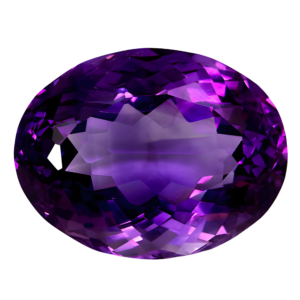
People born in February are associated with the beautiful amethyst birthstone, a gemstone admired for its striking purple color and long cultural history. Among traditional birthstones, amethyst is one of the most recognizable because of its vivid shades of violet and its widespread use in jewelry throughout history. The gemstone belongs to the quartz mineral family and displays a remarkable range of purple tones, from soft lilac to deep royal purple.
The February birthstone has been valued for thousands of years in many different civilizations. In addition to its beauty, amethyst has often been linked with qualities such as wisdom, calmness, balance, and spiritual clarity. Because of these symbolic meanings, it has appeared in royal jewelry, religious artifacts, and decorative art across cultures.
Today, amethyst continues to be widely used in rings, necklaces, bracelets, earrings, and pendants. Its attractive color, affordability compared to many other gems, and relative durability make it one of the most popular gemstones in modern jewelry. These qualities have helped maintain its place among the most meaningful birthstones associated with particular months of the year.
Amethyst Birthstone Meaning and History
The word amethyst originates from the ancient Greek word “amethystos,” which translates to “not intoxicated.” According to Greek legends, people believed that wearing amethyst or drinking from a cup carved from the gemstone could protect them from drunkenness and maintain a clear mind. Because of this belief, many drinking vessels and decorative items were made from amethyst during classical times.
In ancient Greece and Rome, amethyst gemstones were often carved into amulets and seals. Wealthy citizens and nobles wore them as jewelry, believing the stone could help maintain mental clarity and emotional balance. These cultures associated the purple gemstone with self-control and inner strength.
The gemstone also held significance in ancient Egypt, where artisans used amethyst to create beads, amulets, and engraved seals. Egyptian jewelry often featured amethyst alongside other colorful gemstones, reflecting the advanced craftsmanship of their society.
During the Middle Ages, the amethyst birthstone gained strong connections with the Christian church. Religious leaders frequently wore amethyst rings because the gemstone symbolized humility, spiritual wisdom, and purity. Bishops’ rings set with amethyst became a common tradition in many parts of Europe.
For many centuries, amethyst was considered one of the most valuable gemstones. Before the discovery of large deposits in South America in the nineteenth century, the gemstone was extremely rare and expensive. It was often placed in the same category as diamonds, rubies, emeralds, and sapphires among the most prized birthstones and precious gems.
Physical Properties and Composition
Amethyst is a variety of quartz, a mineral composed mainly of silicon dioxide. Quartz is one of the most common minerals on Earth, but the presence of trace amounts of iron and exposure to natural radiation give amethyst its distinctive purple color.
On the Mohs scale of hardness, amethyst ranks 7, which makes it durable enough for many types of jewelry. Although it is not as hard as diamonds or sapphires, it is strong enough for everyday wear when handled properly.
Amethyst crystals often grow in geodes, which are hollow rock formations lined with crystals on the inside. When these geodes are cut open, they reveal clusters of sparkling purple crystals that can be quite spectacular. Some geodes can be extremely large, sometimes reaching several meters in height.
The gemstone also displays good transparency and can be cut into a wide variety of shapes, including:
Round cuts
Oval cuts
Emerald cuts
Cushion cuts
Cabochon shapes
These cutting styles enhance the beauty of the gemstone and allow jewelry designers to create many different artistic designs.
Types and Color Variations
One of the most fascinating aspects of the February birthstone is the wide range of purple shades it can display. The intensity of color depends on the amount of iron present in the crystal and the geological conditions during formation.
Light Lavender Amethyst
This variety has a pale purple color that appears delicate and soft. It is often used in elegant jewelry designs because of its subtle beauty.
Classic Purple Amethyst
This is the most commonly recognized type of amethyst. It shows a medium purple tone that balances brightness and depth.
Deep Siberian Amethyst
A highly prized variety known for its intense purple color with flashes of red and blue. Historically, stones from Russia were particularly famous for this coloration.
Rose de France Amethyst
This variety displays a soft pinkish-lavender shade. It has become popular in modern jewelry for its light and romantic appearance.
The variety of colors available in amethyst allows jewelers to design pieces that suit different styles and preferences.
Famous Amethyst Jewelry and Artifacts
Throughout history, amethyst has appeared in numerous famous jewelry collections. Royal families in Europe often included the gemstone in crowns, necklaces, and brooches.
The British Crown Jewels, for example, contain several pieces decorated with large amethyst gemstones. These jewels were worn by members of the royal family during ceremonial occasions.
During the Victorian era, amethyst jewelry became especially fashionable. Jewelry designers created elaborate brooches, pendants, and tiaras featuring clusters of purple stones set in gold or silver.
Museums around the world also display enormous natural amethyst geodes. Some of these geological formations weigh hundreds of kilograms and showcase the incredible beauty of the gemstone in its natural state.
These famous examples demonstrate why amethyst continues to be admired as one of the most visually appealing February Birthstone.
Cultural and Astrological Beliefs
For centuries, people have believed that amethyst possesses various spiritual and emotional benefits. Ancient cultures often associated the gemstone with protection, wisdom, and inner peace.
According to traditional beliefs and astrology, the amethyst birthstone is thought to help promote calm thinking, emotional balance, and spiritual awareness. Because of these qualities, the gemstone has often been used during meditation and spiritual practices.
Some traditions also suggest that amethyst may help reduce stress and encourage positive thinking. For this reason, it is sometimes called the “stone of tranquility.”
Although modern science does not confirm these mystical properties, the long history of such beliefs shows how important gemstones have been in cultural traditions and symbolic meanings.
Where Amethyst Is Found
February Birthstone Amethyst deposits can be found in many parts of the world. The gemstone forms in volcanic rocks and geodes, where mineral-rich solutions slowly crystallize over time.
One of the largest producers of amethyst is Brazil, where massive geodes filled with purple crystals are commonly discovered. Brazilian mines produce gemstones in a wide range of sizes and qualities.
Another important source is Uruguay, which is known for producing particularly deep purple stones. Uruguayan amethyst often has a darker and more intense color than stones from many other regions.
Other countries where amethyst is mined include:
Zambia, known for high-quality dark purple stones
Russia, historically famous for Siberian amethyst
Madagascar
India
Sri Lanka
United States
These global sources ensure a steady supply of gemstones for the jewelry industry and collectors worldwide.
Amethyst Care and Cleaning
February Birthstone Amethyst is durable enough for everyday jewelry, but it still requires proper care to maintain its color and shine.
Storage
Jewelry containing amethyst should be stored in a soft cloth pouch or separate jewelry compartment to prevent scratches from harder gemstones such as diamonds or sapphires.
Cleaning
The safest cleaning method includes:
Warm water
Mild soap
A soft brush or cloth
After cleaning, the jewelry should be rinsed with clean water and dried gently.
It is also important to avoid prolonged exposure to strong sunlight or extreme heat, as these conditions may cause the gemstone’s color to fade over time.
With careful maintenance, jewelry featuring this gemstone can remain beautiful for many generations.