
Aquamarine – The March Birthstone of Calm & Clarity
Discover aquamarine, a stunning blue gemstone known for its peaceful energy, ocean-like beauty, and timeless appeal.
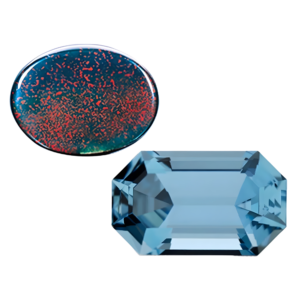
People born in the month of March are associated with the beautiful aquamarine birthstone, a gemstone admired for its clear blue color that resembles the calm waters of the sea. Among traditional birthstones, aquamarine is known for its refreshing appearance, excellent clarity, and long history in jewelry and cultural traditions.
The name aquamarine itself means “water of the sea,” which perfectly describes the gemstone’s light blue to blue-green color. Because of its soothing appearance, the March birthstone has often been connected with ideas of peace, courage, and emotional balance. Many cultures believed that aquamarine could protect travelers and sailors during sea voyages.
Aquamarine belongs to the beryl mineral family, the same group that includes the famous green gemstone emerald. Its durability, beauty, and calming color have made it a favorite gemstone for centuries. Today, aquamarine jewelry remains popular around the world and is widely used in rings, necklaces, earrings, and bracelets.
Aquamarine Birthstone Meaning and History
The word aquamarine comes from the Latin terms “aqua” meaning water and “marina” meaning sea. Ancient people believed that the gemstone looked like clear ocean water, which inspired its name.
The history of the aquamarine March Birthstone goes back thousands of years. In ancient Roman and Greek cultures, people believed that aquamarine was a treasure of mermaids and sea spirits. Sailors often carried aquamarine gemstones as protective talismans during long sea journeys, believing that the stone could calm the waves and ensure a safe voyage.
In medieval Europe, aquamarine was believed to have special powers related to communication and harmony. Some traditions suggested that the gemstone could help married couples resolve disagreements and maintain peaceful relationships.
During the Renaissance period, aquamarine became popular among royalty and wealthy collectors. Jewelers carved large crystals into decorative objects, seals, and jewelry pieces. Because of its beauty and clarity, aquamarine eventually became recognized as one of the traditional birthstones associated with the month of March.
Physical Properties and Composition
Aquamarine is a variety of beryl, a mineral composed of beryllium aluminum silicate. The gemstone forms deep within the Earth’s crust in geological environments known as pegmatites, where mineral-rich fluids slowly crystallize to form large gemstones.
The blue color of aquamarine is caused by small traces of iron within the crystal structure. The amount of iron present determines whether the gemstone appears pale blue, greenish-blue, or deeper blue.
On the Mohs scale of hardness, aquamarine ranks between 7.5 and 8, which makes it a relatively durable gemstone suitable for everyday jewelry. Because of this hardness and its natural clarity, aquamarine is commonly cut into large, transparent stones that highlight its beauty.
Aquamarine crystals can grow quite large compared with many other gemstones. Some crystals discovered in nature weigh several kilograms and can produce numerous gemstones once cut and polished.
Color and Varieties of Aquamarine
One of the most attractive features of the March birthstone is its range of blue tones. While all aquamarine gemstones share a similar ocean-like color, they can vary in intensity and shade.
Pale Blue Aquamarine
This variety displays a light and delicate blue color. It is often used in elegant and subtle jewelry designs.
Blue-Green Aquamarine
Some aquamarine crystals show a slight green tint along with the blue color. These stones resemble tropical ocean water.
Deep Blue Aquamarine
The most valuable stones display a richer and deeper blue color. These gemstones are sometimes referred to as “Santa Maria aquamarine,” named after famous Brazilian mines where such stones were first discovered.
Many aquamarine gemstones are heat treated to remove greenish tones and enhance the blue color. This treatment is stable and widely accepted in the gemstone industry.
Famous Aquamarine Jewelry
Throughout history, aquamarine has appeared in many remarkable jewelry pieces and royal collections. Because the gemstone often forms in large crystals, jewelers have been able to create impressive stones for crowns, necklaces, and decorative ornaments.
One famous example is the Brazilian aquamarine donated to the British royal family, which was later used to create the Brazilian Aquamarine Tiara worn by Queen Elizabeth II. This stunning tiara features several large aquamarine stones surrounded by diamonds.
Another remarkable aquamarine gemstone is the Dom Pedro Aquamarine, one of the largest faceted aquamarines in the world. This extraordinary gemstone weighs more than 10,000 carats and is displayed at the Smithsonian Institution in the United States.
These famous pieces demonstrate why aquamarine continues to be admired as one of the most elegant birthstones used in jewelry.
Cultural and Astrological Beliefs
Aquamarine has long been associated with calmness, courage, and protection. In ancient traditions, sailors believed that the gemstone could protect them from storms and guide them safely across the sea.
In modern crystal traditions, the aquamarine birthstone is often connected with emotional balance and clear communication. Some people believe the gemstone encourages honesty, courage, and inner peace.
The gemstone has also been associated with the throat chakra in certain spiritual practices, symbolizing clear speech and truthful expression. Because of these meanings, aquamarine is often chosen as a gift to represent trust and harmony.
While these beliefs are based on tradition rather than scientific evidence, they contribute to the long cultural history of this gemstone.
Where Aquamarine Is Found
Aquamarine is mined in many parts of the world, with several regions known for producing high-quality gemstones.
The most famous sources include:
Brazil – The largest and most famous producer of aquamarine gemstones
Pakistan – Known for producing beautiful blue crystals from mountainous regions
Madagascar – An important source of clear and bright aquamarine stones
Nigeria – Produces gemstones with strong blue color
Mozambique
Zambia
Sri Lanka
In Pakistan, aquamarine deposits are often found in the Gilgit-Baltistan mountain regions, where miners extract the gemstones from high-altitude pegmatite formations.
Because March Birthstone aquamarine crystals can grow quite large, some mines have produced enormous gemstones weighing several kilograms before cutting.
Aquamarine Care and Cleaning
Aquamarine is a durable gemstone, but proper care helps maintain its beauty for many years.
Storage
Aquamarine jewelry should be stored in a soft jewelry pouch or separate compartment to avoid scratches from harder gemstones such as diamonds.
Cleaning
The safest method for cleaning aquamarine jewelry includes:
Warm water
Mild soap
A soft brush or cloth
After cleaning, rinse the March Birthstone thoroughly and dry it with a soft cloth.
Ultrasonic cleaners are generally safe for aquamarine, but steam cleaning should be avoided if the gemstone contains internal fractures.
With proper care, jewelry featuring this gemstone can remain brilliant and beautiful for generations.